Introduction
Behind every successful Nollywood production is an entire ecosystem of talented professionals working together to bring stories to life. While actors often become the face of a movie, the reality is that filmmaking is deeply collaborative. From pre-production planning to post-production editing, every role contributes to the final experience audiences see on screen.
As Nollywood continues to expand globally, understanding the people behind the industry becomes increasingly important. Whether you are an aspiring filmmaker, producer, actor, or international collaborator, knowing these essential film production roles helps you better appreciate the process of storytelling.
Here are 10 essential roles that power every Nollywood production.
1. Actors
Actors are responsible for bringing characters to life through performance, emotion, dialogue delivery, and physical expression. They are often the most visible part of a production and play a critical role in helping audiences connect emotionally with a story.
Actors spend time studying scripts, understanding character motivations, rehearsing scenes, and collaborating closely with directors to deliver believable performances.
Responsibilities of Actors:
- Interpreting scripts and characters
- Performing scenes authentically
- Attending rehearsals and auditions
- Collaborating with directors and cast members
- Promoting projects during marketing campaigns
Why Actors Matter:
Strong acting performances can elevate a film, create memorable moments, and increase audience engagement.
2. Directors
Directors oversee the creative vision of a film. They guide performances, shape storytelling, supervise production departments, and ensure every scene aligns with the overall vision of the project.
A director works closely with actors, cinematographers, editors, and producers to bring scripts to life visually and emotionally.
Responsibilities of Directors:
- Interpreting scripts creatively
- Directing actors and performances
- Working with camera and lighting teams
- Managing visual storytelling
- Making creative decisions during filming
Why Directors Matter:
The director serves as the creative leader of the production and helps unify every department toward one storytelling vision.
3. Scriptwriters
Every film begins with a story, and scriptwriters are responsible for creating that foundation. Scriptwriters develop characters, dialogue, plot structure, emotional arcs, and storytelling direction.
In Nollywood, scriptwriters often draw inspiration from culture, society, relationships, politics, and everyday African experiences.
Responsibilities of Scriptwriters:
- Writing screenplays and dialogue
- Developing characters and storylines
- Structuring scenes and pacing
- Revising scripts during production
- Collaborating with producers and directors
Why Scriptwriters Matter:
Without strong storytelling, even high-budget productions struggle to connect with audiences.
4. Cinematographers
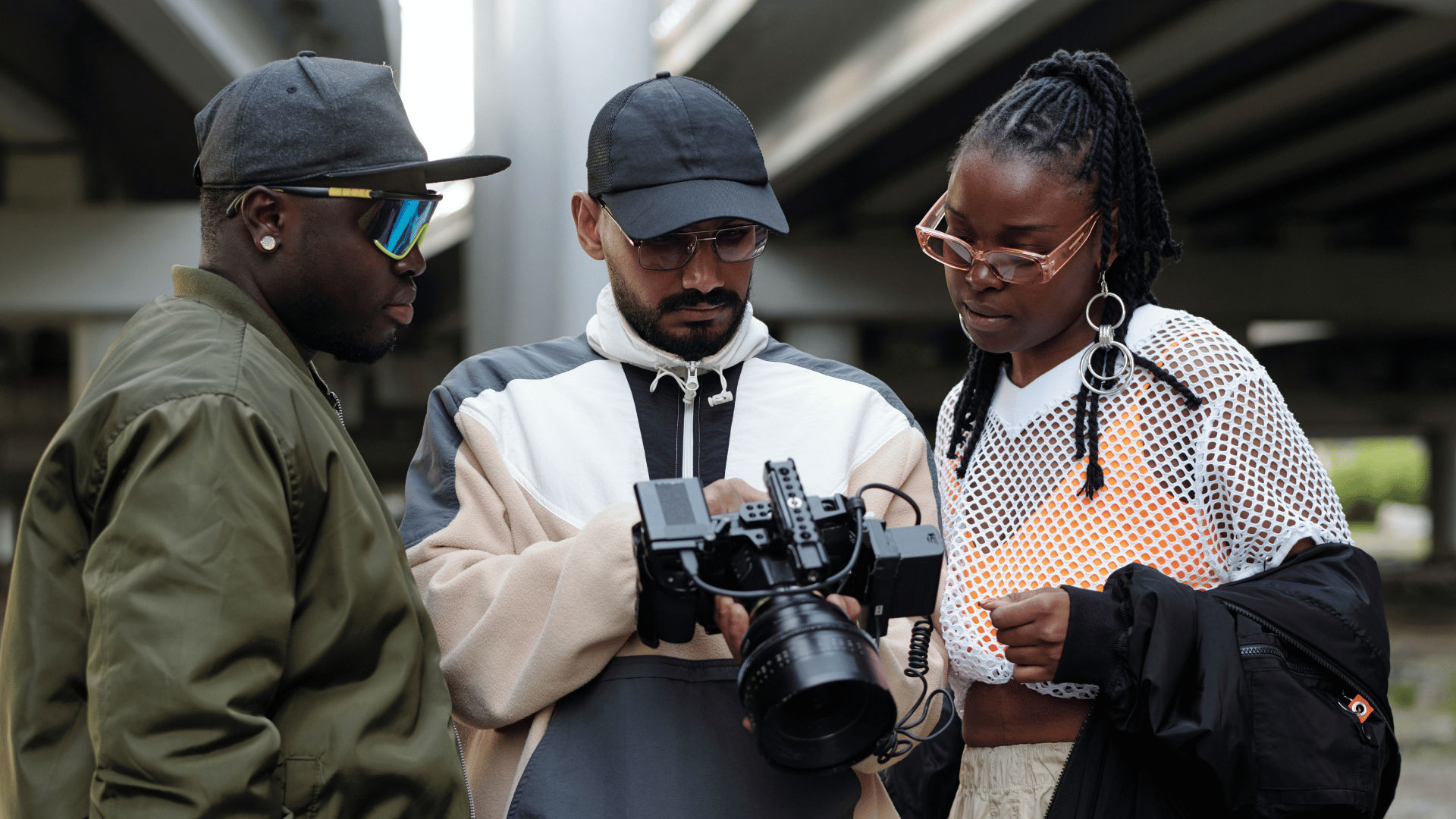
Cinematographers, also known as Directors of Photography (DPs), control the visual appearance of a film. They determine camera angles, shot composition, movement, lighting, and visual tone.
They work closely with directors to create cinematic visuals that support the story emotionally and aesthetically.
Responsibilities of Cinematographers:
- Operating and supervising camera teams
- Designing lighting setups
- Choosing lenses and camera movements
- Planning shot compositions
- Maintaining visual consistency
Why Cinematographers Matter:
Great cinematography creates mood, emotion, atmosphere, and visual identity for a film.
5. Producers
Producers are responsible for managing the business and operational side of filmmaking. They help secure funding, coordinate schedules, manage budgets, and oversee the overall execution of the production.
Producers ensure that projects move smoothly from development to release.
Responsibilities of Producers:
- Managing production budgets
- Hiring cast and crew
- Coordinating logistics and schedules
- Securing locations and resources
- Overseeing project delivery
Why Producers Matter:
Without effective producers, productions can face delays, budget issues, and organizational challenges.
6. Editors
Editors shape the final story audiences experience on screen. During post-production, editors cut scenes together, improve pacing, refine emotional moments, and help create storytelling flow.
Editing often determines how engaging and emotionally impactful a film feels.
Responsibilities of Editors:
- Organizing footage
- Cutting and arranging scenes
- Improving pacing and continuity
- Adding transitions and effects
- Collaborating with directors during post-production
Why Editors Matter:
Editors transform raw footage into a polished, emotionally engaging film.
7. Sound Designers
Sound designers create the audio environment of a film. This includes dialogue clarity, ambience, sound effects, background atmosphere, and audio immersion.
Sound is one of the most overlooked yet powerful parts of storytelling.
Responsibilities of Sound Designers:
- Recording and editing audio
- Creating sound effects
- Designing ambient soundscapes
- Enhancing emotional moments through sound
- Mixing audio for final production
Why Sound Designers Matter:
Good sound design increases realism, emotional depth, and audience immersion.
8. Set Designers
Set designers build and style physical environments used during filming. Their work helps establish time periods, moods, locations, and storytelling context.
In Nollywood productions, set design often reflects culture, lifestyle, social class, and story atmosphere.
Responsibilities of Set Designers:
- Designing filming environments
- Selecting props and decorations
- Coordinating visual aesthetics
- Supporting storytelling visually
- Working closely with costume and cinematography teams
Why Set Designers Matter:
Strong set design makes stories feel believable and visually compelling.
9. Costume Designers
Costume designers create wardrobes that help define characters and storytelling. Clothing choices communicate personality, social status, historical context, and emotional transitions.
Responsibilities of Costume Designers:
- Designing and sourcing costumes
- Coordinating wardrobe continuity
- Supporting character development visually
- Collaborating with directors and makeup artists
Why Costume Designers Matter:
Costumes contribute heavily to visual storytelling and character identity.
10. Makeup Artists
Makeup artists help actors transform physically for their roles. Their work includes beauty makeup, special effects makeup, aging effects, and character enhancement.
Responsibilities of Makeup Artists:
- Preparing actors before scenes
- Maintaining continuity during filming
- Creating character-specific looks
- Supporting costume and visual departments
Why Makeup Artists Matter:
Makeup helps actors embody characters authentically and improves visual consistency on screen.
Why Collaboration Matters in Nollywood
One of the biggest strengths of Nollywood is collaboration. Film production succeeds when creative professionals from different departments work together toward a shared vision.
Every role — whether on-screen or behind the scenes — contributes to:
- Storytelling quality
- Audience engagement
- Visual appeal
- Production efficiency
- Emotional impact
As the industry grows globally, the need for skilled professionals across every department continues to increase.
Opportunities for Creative Professionals
The rise of streaming platforms, international co-productions, and digital content has created growing opportunities for:
- Actors
- Cinematographers
- Editors
- Directors
- Sound designers
- Production managers
- Set designers
- Costume designers
- Voice-over artists
- Visual effects artists
Platforms like Megowa help make these professionals more visible and accessible to producers, agencies, and global collaborators.
Conclusion
Nollywood is powered by talented professionals working across multiple creative disciplines. While audiences often focus on actors, filmmaking is truly a team effort built on collaboration, creativity, and technical expertise.
As the African film industry continues expanding internationally, recognizing and supporting every creative role becomes even more important.
Megowa exists to help spotlight these professionals, connect them to opportunities, and strengthen the future of African storytelling.